
Light
Finding the right spot — Bright indirect, full sun, low light — what does any of it mean? A plain-English guide to placing your plants where they'll actually be happy.
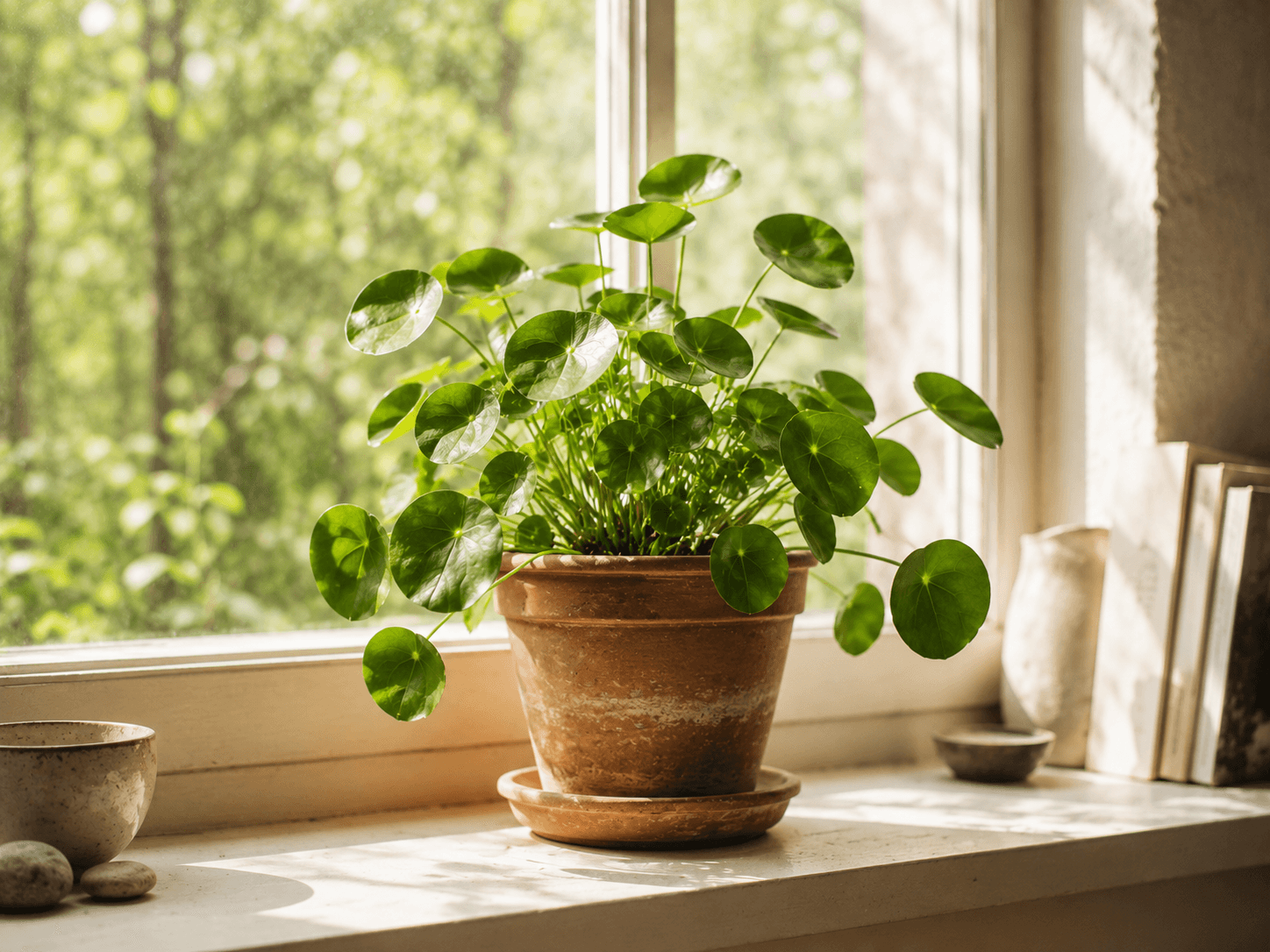
What 'bright indirect' actually means
It means your plant can see the sky but the sun isn't landing directly on the leaves. A metre or two back from a south- or west-facing window. The light is bright but diffused — no sharp shadows, no leaf-scorching intensity.
Most popular houseplants — monsteras, pothos, philodendrons — want this. It's the easiest condition to replicate indoors and the safest default when you're not sure.
Direct sun
A handful of plants genuinely want this: cacti, succulents, some herbs, and certain succulents. Direct sun through glass indoors is intense — leaves can scorch if a plant isn't acclimatised to it.
If you're moving a plant to a sunnier spot, do it gradually over two or three weeks. A few hours of morning sun (east-facing) is gentler than an afternoon on a south-facing sill.
Low light is not no light
'Low light' plants — pothos, ZZ plants, cast iron plants — tolerate low light; they don't thrive in it. A windowless room or a dark corner in winter is typically too dark for anything to grow well.
A useful test: if you can comfortably read a book by the natural light in a spot without switching on a lamp, most low-light plants will manage. If you need the lamp, the spot is genuinely too dark, and you'll see slow decline over months rather than weeks.
Seasons matter
UK winter light is genuinely dim. The sun is low, days are short, and overcast skies are the norm from November to February. Plants that were fine in summer can struggle in the same spot.
Move them a foot or two closer to the window in autumn — it makes a real difference. Rotate pots occasionally so all sides get equal exposure, and clean dusty leaves, which can cut light absorption noticeably on larger-leaved plants.